

The rise of youtube reels vs shorts has changed how creators in the USA approach short-form content. Both formats push fast, vertical videos designed to grab attention within seconds, yet they behave very differently once you post. YouTube Shorts sit inside a powerful search and recommendation system that rewards watch time and long-term visibility.
Instagram Reels, on the other hand, thrive on trends, social engagement, and quick bursts of discovery. These differences shape everything from audience growth to monetization. If you create content online, understanding how each platform distributes and promotes videos can decide whether your effort fades quickly or builds lasting reach and influence across audiences.
Quick Facts: YouTube Shorts vs Instagram Reels
| Category | YouTube Shorts | Instagram Reels |
| Platform Type | Video search + recommendation ecosystem | Social media + discovery feed |
| Content Style | Educational, informational, entertainment | Trend-based, lifestyle, entertainment |
| Video Length | Up to ~60–180 seconds | Up to ~90–180 seconds |
| Format | Full-screen vertical videos | Full-screen vertical videos |
| Discovery System | YouTube recommendation system + search | Explore page + trending hashtags |
| Key Ranking Factors | Watch time, retention, keywords | Engagement, shares, trending audio |
| Monetization | Ad revenue sharing, channel monetization | Brand deals, sponsorships, influencer marketing |
| Content Lifespan | Long-term (evergreen potential) | Short-term (trend-driven visibility) |
| Editing Tools | Simple in-app editing tools | Advanced filters, effects, transitions |
| Audience Behavior | Intent-driven viewing, higher retention | Fast scrolling, trend engagement |
| SEO Strength | Strong YouTube SEO visibility | Limited SEO, hashtag-based reach |
| Best For | Audience growth, authority, tutorials | Viral reach, branding, lifestyle content |
What YouTube Shorts Are
YouTube Shorts represent a powerful form of short-form videos designed for mobile-first viewing, where creators upload vertical clips under a minute to reach massive audiences quickly. These videos sit inside the YouTube ecosystem, which means they benefit from both search relevance and the recommendation system. Unlike traditional videos, Shorts focus heavily on instant engagement, meaning the first few seconds or “hook” determine whether viewers stay or swipe away. The YouTube recommendation system plays a major role in distributing content, often pushing videos to users based on interests, watch history, and engagement signals like likes, comments, and shares.
What makes Shorts especially powerful is their integration with long-form content. A creator can use Shorts for audience growth and then guide viewers toward longer videos, boosting subscriber growth and channel authority. This creates a funnel effect that strengthens overall channel performance. Shorts also benefit from strong YouTube SEO, since captions, descriptions, and keywords influence search visibility and suggested videos.
In the USA market, Shorts have become a core strategy for creators, brands, and businesses looking to expand audience growth quickly. A single viral Short can generate millions of views in days, especially when combined with trending sounds and strong engagement signals. However, consistency matters more than luck, and creators who post regularly tend to see stronger long-term results.
What Instagram Reels Are
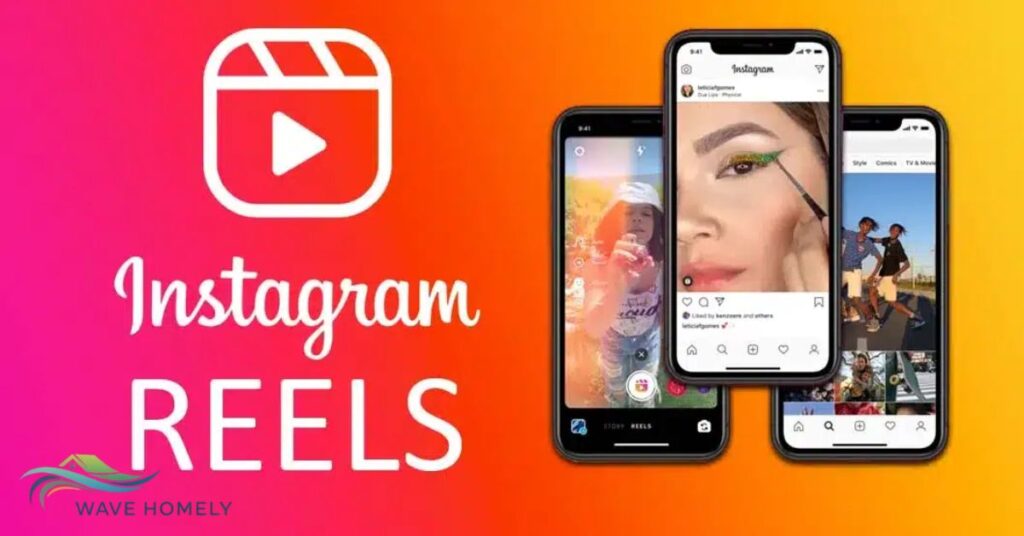
Instagram Reels focus on short-form content that lives inside a social media environment driven by discovery, trends, and visual storytelling. Unlike YouTube, Instagram prioritizes social interaction, meaning Reels often spread through shares, saves, and explore page visibility. These vertical videos are designed for quick consumption, often paired with trending audio, filters, and aesthetic visuals that encourage emotional engagement.
Reels rely heavily on hashtags, trending sounds, and strong visual identity to reach new audiences. The platform’s algorithm evaluates engagement signals such as likes, comments, shares, and saves to determine content distribution. Unlike YouTube Shorts, Reels do not benefit from deep search visibility in the same way, making viral trends and timely posting more important.
Creators in the USA often use Reels for influencer marketing and brand storytelling. Businesses rely on Reels for brand partnerships and sponsored posts, where aesthetics and relatability matter more than technical depth. The content feels more personal and social, making it ideal for lifestyle, fashion, fitness, and entertainment niches.
Reels also encourage rapid experimentation. Since the platform is trend-driven, creators constantly adjust formats, hooks, and editing styles using in-app editing tools, music, and effects. This makes Reels highly dynamic but also less predictable for long-term content longevity compared to YouTube Shorts.
Platform Purpose and Ecosystem
YouTube Shorts and Instagram Reels operate within completely different ecosystems, and that difference defines their purpose. YouTube functions as a search and content library platform where videos can stay relevant for years. This makes Shorts part of a broader system that includes long-form content, tutorials, and educational videos. The ecosystem supports both evergreen content and viral distribution, allowing creators to build long-term authority.
Instagram, on the other hand, is built around social interaction and visual identity. Reels exist to increase engagement inside a fast-moving feed where trends dominate visibility. The platform focuses on immediate reactions rather than long-term search performance. As a result, content tends to fade faster unless it aligns with ongoing trends or strong audience engagement.
In the USA creator economy, this difference changes strategy significantly. YouTube supports channel growth through combined short and long-form strategies, while Instagram emphasizes rapid exposure and brand awareness. Creators often use Reels to attract attention and Shorts to convert that attention into subscribers and loyal viewers.
A key difference lies in ecosystem depth. YouTube integrates watch time, search relevance, and suggested videos, creating a layered discovery system. Instagram relies more on social signals and algorithmic trends. This means YouTube rewards consistency and depth, while Instagram rewards creativity and timing.
Video Length and Format
Video structure plays a major role in the YouTube Shorts vs Instagram Reels comparison. Both formats use full-screen vertical layout, but YouTube Shorts typically allow up to 60 seconds or more depending on updates, while Instagram Reels can extend up to 90 seconds or longer in some cases.
The video length directly affects storytelling style. Shorts often demand fast pacing, strong hooks, and immediate value delivery. Creators must capture attention within seconds or risk losing viewers. Reels, however, allow slightly more creative flexibility, especially when using transitions, storytelling arcs, or aesthetic visuals.
Both platforms rely heavily on in-app editing tools, but Instagram offers more polished creative options like filters, AR effects, and trending audio integration. YouTube Shorts focuses more on simplicity, encouraging creators to upload quickly and rely on content strength rather than heavy editing.
Read More : Lora Chaffins: Age, Family, Biography & Facts
| Feature | YouTube Shorts | Instagram Reels |
| Max Length | Up to 60–180 seconds | Up to 90–180 seconds |
| Format | Vertical videos | Vertical videos |
| Editing Style | Simple, fast uploads | Advanced filters and effects |
| Focus | Watch time and retention | Visual appeal and trends |
Content Discovery and Algorithm
The content discovery systems behind Shorts and Reels are very different, even though both rely on AI-driven recommendations. YouTube uses a powerful YouTube recommendation system that evaluates watch time, retention, and engagement signals to decide distribution. If viewers stay longer, the algorithm pushes the video further into suggested feeds and search results.
Instagram uses a more trend-based algorithm where hashtags, trending sounds, and early engagement matter heavily. The Explore page plays a key role in pushing Reels to new audiences. Unlike YouTube, Instagram prioritizes social interaction over search-based visibility.
A major difference lies in search relevance. YouTube Shorts benefit from SEO optimization, meaning titles, descriptions, and keywords influence reach. Instagram Reels depend more on timing and virality.
Creators in the USA often notice that YouTube rewards slow but steady growth, while Instagram can deliver sudden spikes in visibility. However, Instagram traffic tends to drop quickly unless the content continues to trend.
This makes YouTube more stable for long-term brand building, while Instagram works better for fast exposure and viral campaigns.
Audience Behavior
Audience behavior varies significantly between platforms. YouTube viewers often come with intent, meaning they search or watch based on interest. This leads to higher viewer retention and stronger watch time. People are more likely to subscribe if they find value in Shorts or related long-form content.
Instagram audiences behave differently. They scroll quickly, engage emotionally, and respond to trends. Likes, comments, shares, and saves drive visibility more than watch time alone. This creates a more reactive viewing experience where content must instantly entertain.
In the USA market, YouTube audiences tend to support educational, tutorial, and niche content, while Instagram audiences prefer lifestyle, fashion, and entertainment-driven content. This difference affects audience growth strategies significantly.
Creators often combine both platforms. They use Shorts to attract search-driven viewers and Reels to engage social audiences. This dual strategy improves overall reach and strengthens subscriber growth across platforms.
Read More : Eduardo Hagn Biography: Arsenal Insight & Success Story
Editing Tools and Features
Editing capabilities define creative freedom in both platforms. Instagram leads with advanced in-app editing tools, offering filters, AR effects, transitions, and music integration. These features make it easy to create polished, visually appealing content without external software.
YouTube Shorts focuses on simplicity. It provides basic trimming, music, and text features, allowing creators to publish quickly. This supports high-volume content strategies where consistency matters more than complex editing.
Both platforms support music and effects, but Instagram heavily promotes trending sounds, while YouTube emphasizes copyright-safe audio and content originality. This difference affects how creators approach production.
For creators in the USA, Instagram is ideal for visually rich storytelling, while YouTube is better for fast, informational content. This balance shapes how influencers and brands design their content strategy.
Monetization Options
Monetization remains one of the biggest differences in YouTube Shorts vs Instagram Reels. YouTube offers ad revenue sharing, where creators earn from Shorts through platform monetization programs and ad distribution. This creates a direct income stream tied to performance and watch time.
Instagram monetization relies more on brand partnerships, sponsored posts, and influencer marketing deals. While Instagram has creator bonuses in some regions, income primarily comes from external collaborations rather than direct ad sharing.
| Platform | Monetization Type |
| YouTube Shorts | Ad revenue sharing, channel monetization |
| Instagram Reels | Brand deals, sponsorships, affiliate marketing |
YouTube provides a more structured income model, while Instagram offers flexible but less predictable earnings. Many creators combine both platforms to maximize revenue opportunities.
Content Longevity
Content lifespan is one of the most important differences. YouTube Shorts often behave like evergreen content, especially when supported by SEO and search relevance. A Short can continue gaining views months after posting.
Instagram Reels, however, have shorter lifespans. They rely on trends and immediate engagement, meaning visibility drops quickly after initial exposure. This makes consistency critical for sustained growth.
YouTube’s system supports long-term discovery, while Instagram focuses on short-term virality. This difference impacts content longevity and long-term strategy planning.
SEO and Search Visibility
YouTube dominates in YouTube SEO, where titles, descriptions, and keywords directly influence visibility. Shorts appear in search results and suggested videos, making them easier to discover over time.
Instagram relies less on SEO and more on hashtags and engagement signals. While captions matter, they do not carry the same weight as YouTube metadata.
This gives YouTube a strong advantage in search visibility, especially for educational and informational content.
Brand Building and Authority
YouTube builds stronger authority and expertise because content stays accessible and searchable. Creators can combine Shorts with long-form videos to build credibility.
Instagram builds visual identity and social presence. It strengthens emotional connection but offers less long-term authority compared to YouTube.
Read More : How Old Is Hugh Keevins? Age, Bio & Facts
Posting Strategy Differences
YouTube requires consistent uploads focused on retention and value. Instagram demands trend awareness and frequent posting to stay relevant.
Creators often use YouTube for structured growth and Instagram for rapid engagement.
Best Use Cases
YouTube Shorts work best for tutorials, educational content, and long-term growth. Instagram Reels excel in fashion, lifestyle, and trend-based storytelling.
Which One Is Better
Neither platform is universally better. YouTube Shorts win in SEO, monetization, and longevity. Instagram Reels win in creativity, trends, and fast engagement. The best strategy often combines both to maximize reach, authority, and income.
FAQs
What is the difference between YouTube Shorts and Instagram Reels?
YouTube Shorts focus on search and watch time, while Instagram Reels rely on trends, hashtags, and social engagement for fast discovery.
Which is better for growth, YouTube Shorts or Instagram Reels?
YouTube Shorts offer long-term growth through search, while Instagram Reels provide faster viral reach through trending content and explore page exposure.
Do YouTube Shorts or Instagram Reels pay more?
YouTube Shorts can earn ad revenue sharing, while Instagram Reels mainly pay through brand deals, sponsorships, and influencer marketing partnerships.
How long can YouTube Shorts and Instagram Reels be?
YouTube Shorts usually range up to 60–180 seconds, while Instagram Reels can extend up to 90–180 seconds depending on updates.
Which platform is better for beginners?
Instagram Reels is easier for beginners due to trend-based growth, while YouTube Shorts require more focus on retention and search optimization.
Do hashtags matter in Shorts and Reels?
Hashtags matter more in Instagram Reels for discovery, while YouTube Shorts depend more on keywords, titles, and search relevance.
Can Shorts and Reels help grow subscribers?
Yes, YouTube Shorts help convert viewers into subscribers, while Instagram Reels increase profile visits and overall audience engagement.
Which platform has better content longevity?
YouTube Shorts have better content longevity, as videos can keep gaining views through search and recommendations over time.
Do editing tools differ between Shorts and Reels?
Yes, Instagram Reels offers advanced filters and effects, while YouTube Shorts provides simpler editing tools for quick uploads.
Can you use the same content on Shorts and Reels?
Yes, creators often reuse content, but optimizing captions, formats, and hashtags improves performance on each platform separately.
Conclusion
The comparison of YouTube Shorts and Instagram Reels highlights how both platforms dominate short-form video but serve different goals. YouTube Shorts focus on search-driven visibility, watch time, and long-term audience growth through the recommendation system. Instagram Reels rely more on trends, hashtags, and social engagement, creating faster but shorter bursts of reach. While both use vertical videos and quick hooks, their ecosystems shape how content performs, from discovery to retention.
For creators, YouTube Shorts offer stronger monetization through ad revenue and better content longevity, while Instagram Reels excel in viral exposure and influencer marketing opportunities. Choosing between them depends on whether the goal is sustainable channel growth or rapid audience attention and brand visibility.

